Short answer: The London Pass covers unlimited entry to a set list of paid London attractions across however many consecutive days you buy, at gate values that add up quickly if you visit three or more a day. It does not cover everything people assume it does.
How the mechanic works
You buy a tier of 1 to 7 consecutive calendar days, and the pass activates from first use. Inside that window, you can enter any of the included attractions as many times as you like — there’s no per-attraction limit, only a day limit. That structure rewards a packed schedule and does very little for a slow one, since a rest day inside the window is a day of the pass you’ve already paid for and can’t get back.
The headline inclusions
These are the attractions on the standard inclusion list, priced at their normal walk-up rates so you can see what a busy day is actually worth:
- Tower of London — around £34.80
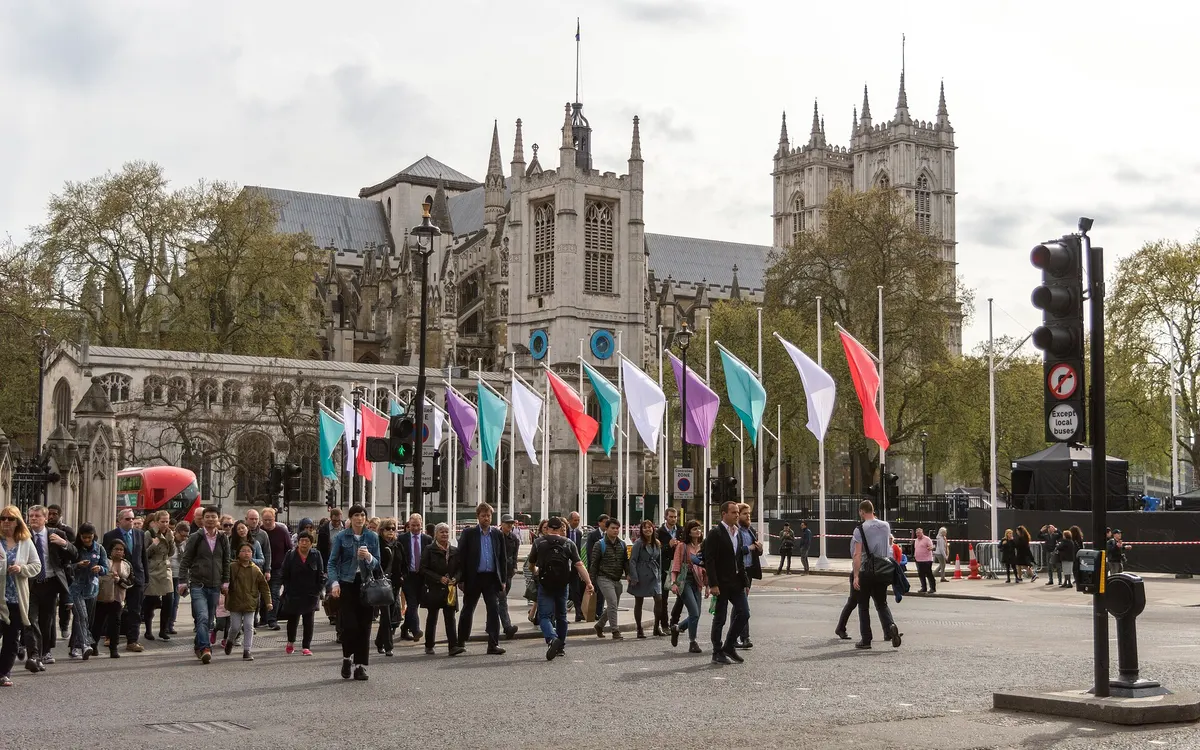
- Westminster Abbey — around £29
- The View from The Shard — around £32
- St Paul’s Cathedral — around £25
- Windsor Castle — around £30 (day trip out of central London)
- Hampton Court Palace — around £27.20 (also a day trip)
- Kew Gardens — around £22
- ZSL London Zoo — around £33
- Thames River Cruise — around £20
- Tower Bridge Exhibition — around £13.40
- Kensington Palace — around £26.70
- Churchill War Rooms — around £32, but this one requires a reservation even with the pass
Add up any three or four of those from a single day and you’ve already covered most of a one-day pass price — that’s the pattern the pass is built around.
The exclusions that catch people out
This is the part the marketing doesn’t lead with, and it’s worth knowing before you buy rather than after:
- London Eye — not included at any tier, despite being one of the most recognizable things in the city. Budget roughly £29 separately.
- Madame Tussauds — also excluded, around £39 at the gate.
- Public transport — no Tube, bus, or Oyster/contactless fare is bundled in. You’ll pay London transit costs on top of the pass regardless of tier.
If either the Eye or Tussauds is on your must-do list, price them in before you compare the pass to buying single tickets — leaving them out of the math is the single most common way this pass looks better on paper than it is in practice.
Why the exclusions exist
The Eye and Tussauds are run by Merlin Entertainments, a separate commercial operator with its own multi-attraction bundles, which is a large part of why neither shows up on a Go City product like The London Pass. It’s a licensing reality rather than an oversight, but it matters just as much to your budget either way.
The verdict
The London Pass earns its price on the attractions above, not on the two everyone assumes are included. Build your actual day-by-day list first, price the Eye, Tussauds, and transport in if they’re on it, then run the comparison through the calculator before buying. For the full price tiers and break-even math, see our London Pass page and the London destination guide.