Short answer: yes, for most first-time visitors doing ancient Rome on foot and by metro. The Roma Pass is one of the more straightforwardly good-value city passes in Europe, mainly because it solves two problems — expensive monuments and transport — with one purchase.
The two tiers, and what they buy
The Roma Pass comes in two versions: €36 for 48 hours with one free entry, and €58.50 for 72 hours with two free entries. After those free entries, every other included site is discounted around 30%. Unlimited public transport (buses, trams, and the metro) is bundled into both tiers, which matters in a city where taxis are expensive and walking between sights adds up in hours, not euros.
Why it works: spend the free entries on the priciest site first
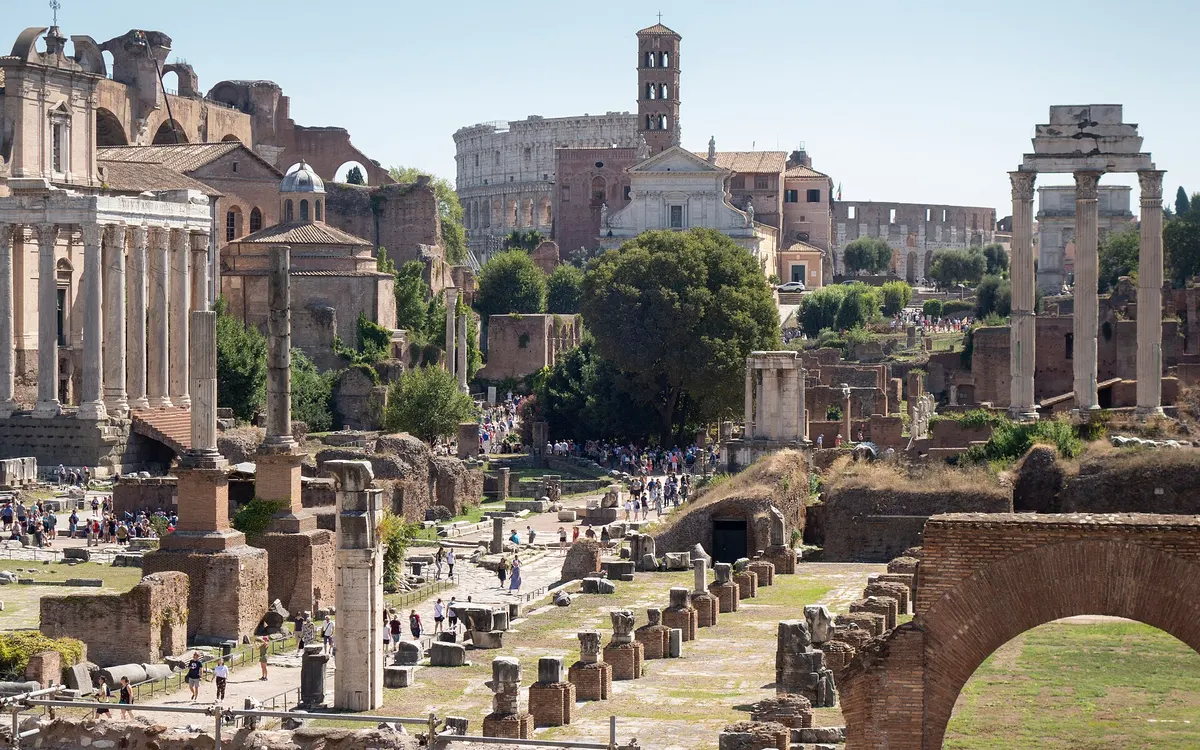
The single biggest lever in the Roma Pass is deciding what to use your free entries on. Put them toward whichever included attraction has the highest walk-up price — for most visitors that’s the Colosseum, Roman Forum and Palatine Hill combined ticket. Get that one free (or close to it) and the rest of the pass, including the transport, is effectively a bonus. Spend a free entry on a cheap site instead and you’ve left value on the table.
What it doesn’t cover, and why
The Vatican Museums and the Sistine Chapel are never included in the Roma Pass, in any tier, from any provider. Vatican City is its own sovereign state, not a Rome city attraction, so no Rome pass — current or future — will bundle it in. If the Vatican is on your list, price and book it as a completely separate line item, ideally in advance, since it sells out on its own booking system regardless of what pass you’re carrying.
The Colosseum is a partial exception worth flagging: even with the Roma Pass covering entry, you still need a timed-entry reservation and a small separate booking fee, exactly as you would with a standalone ticket. The pass removes the admission cost, not the requirement to pick a time slot.
Who benefits most
- Visitors staying 2–3 days and covering the Colosseum-Forum-Palatine circuit plus one or two more ancient or classical sites.
- Anyone planning to use public transport rather than walking everywhere — the included rides alone are worth several euros a day in a city this spread out.
- Travelers who’d otherwise buy the Colosseum combo ticket at full price; the pass beats that on its own in the 72-hour version.
Who should think twice
- Trips centered mainly on the Vatican, which the pass can’t help with at all.
- Very short stays (under a day) where the transport and second free entry go unused.
- Travelers planning to walk everywhere and skip public transport, which removes one of the pass’s two main value drivers.
The verdict
If ancient Rome and the metro are your itinerary, buy the 72-hour Roma Pass and spend your free entries on the Colosseum-Forum-Palatine ticket first. Book the Vatican separately no matter what. Run your specific list through the calculator to see the exact break-even for your dates, or check the full details on our Roma Pass page and the wider Rome destination guide.