Roma Pass: is it worth it?
The Roma Pass isn't a full-access pass — it's a card. The 48-hour version gives you one free entry, the 72-hour version two, and every visit after that is 30% off, not free. Public transport is bundled in, but the Vatican, Rome's single biggest draw, is never included, because Vatican City is a separate state.
Also searched as: Rome Pass · Rome City Pass · Card Roma · City Pass Roma
Verified 2026-07-01
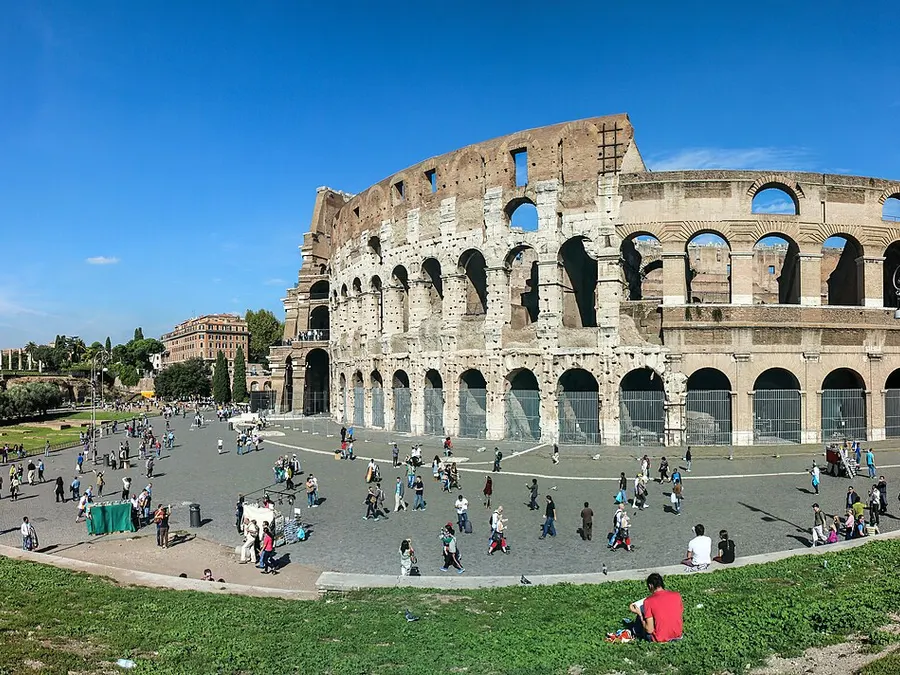
At a glance
How does the Roma Pass work?
- It is a card, not an all-you-can-visit pass. A limited number of entries are free and everything else is discounted — so spend the free entries on the most expensive sites.
- Public transport is included.
- Most sites have a pass-holder queue, but timed reservations still apply wherever the attraction requires one.
How much does the Roma Pass cost?
These are the official adult prices we last verified on 2026-07-01. Children, youth and seniors often pay less, and the calculator applies each attraction’s own age rules to your group.
Cheapest way in: €36
Prices change without notice — always confirm on the operator’s site before paying.
Prices by duration
What’s included
- Colosseum, Forum & Palatine
- Borghese Gallery
- Castel Sant'Angelo
- Capitoline Museums
- Baths of Caracalla
- Pantheon · Cheapest tier
- Catacombs of Rome · Cheapest tier
What’s not included
- Vatican Museums & Sistine Chapel
Is the Roma Pass worth it?
The Roma Pass earns its price on the Colosseum alone — that first free entry, plus the reservation handling, covers most of the 48-hour cost — and the transport and discounts on top make it a reasonable base layer for a short trip. It stops being worth it if you expect an all-inclusive pass: everything past the first one or two sites is discounted, not free, and the Vatican Museums need a separate ticket regardless of which version you buy.
Where it wins
- First 1 (48h) or 2 (72h) entries fully free, including the Colosseum
- Every further paid site after that at 30% off
- Public transport included for the validity window
- Skip-the-line access at major sites
Where it falls short
- Only the first entries are free — the rest are just discounted
- Never includes the Vatican Museums or Sistine Chapel
- Validity runs on hours from first use, not calendar days
- Reservation fees can still apply at the Colosseum
Best for: Short-stay visitors doing the Colosseum plus one or two more paid sites, who also want transport included.
What you get
The Roma Pass works on a “free-then-discounted” model rather than flat all-inclusive access. The 48-hour version (€36) includes one free entry; the 72-hour version (€58.5) includes two. After that allowance, every further paid site on the list — Borghese Gallery, Castel Sant’Angelo, Capitoline Museums, Baths of Caracalla — is 30% off, plus discounted entry to the Pantheon and the Catacombs of Rome. Public transport across the validity window is bundled in, and most sites offer skip-the-line entry.
Spend your one or two free entries on the Colosseum, Forum and Palatine Hill (€18 alone) and the pass has already earned back most of its cost before the discounts even kick in. Pair that with the transport savings — a standalone 72-hour Rome transport ticket runs a few euros on its own — and the 72-hour Roma Pass in particular starts to look like reasonable value even before you visit a second site.
The catch
The Roma Pass will never include the Vatican Museums or the Sistine Chapel. Vatican City is a separate country, and no Rome city pass can legally bundle its ticketing — that’s true of the Roma Pass and it shapes the whole market: anyone who wants the Vatican included has to look at the pricier Omnia Vatican & Rome Card instead, or book Vatican tickets on their own.
The other catch is the “free” framing. Beyond the first one or two entries, you’re paying 30% less, not visiting for free — so a long list of paid sites adds up faster than the name suggests, and the discount rate is the same 30% whether the ticket is €5 (the Pantheon) or €16 (Capitoline Museums). And the Colosseum’s popularity means a reservation fee can still apply on top of the free entry, so budget a few extra euros there too.
Our verdict
Use the Roma Pass as a base layer: put the Colosseum in your free slot, bank the transport savings across your stay, and treat the 30%-off sites as a bonus rather than the main event. It’s a solid, low-risk buy for a short trip built around Ancient Rome. If the Vatican is central to your trip, budget for it separately or compare against the Omnia Card at /en/compare/ before you buy either.
Alternatives to consider
Keep reading
Frequently asked questions
Does the Roma Pass include the Vatican?
No, and it never will. Vatican City is a separate sovereign state, so the Vatican Museums and Sistine Chapel sit outside any Rome city pass, including the Roma Pass. Book the Vatican separately, or look at the Omnia Vatican & Rome Card, which bundles it in at a higher price.
Is the Roma Pass all-inclusive?
No — that's the most common misunderstanding. The 48-hour pass gives one free entry and the 72-hour pass gives two; every site after that is 30% off, not free. Budget accordingly if you're planning to see more than two or three paid attractions.
Roma Pass 48 hours or 72 hours — which is better value?
It depends on your pace. The 72-hour pass costs €58.5 for two free entries plus transport across three days; the 48-hour pass is €36 for one free entry across two days. If you'll comfortably fit two paid sites like the Colosseum and Borghese Gallery into three days, the 72-hour version usually wins per-day value.