Is a city pass worth it in Rome?
Rome runs on a different model than most cities: the Roma Pass gives free entry to only your first one or two attractions, then knocks 30% off everything else on the card. The Vatican is a separate state and is never included — only the pricier Omnia Card bundles it in. And even with a pass, the Colosseum still needs a timed reservation.
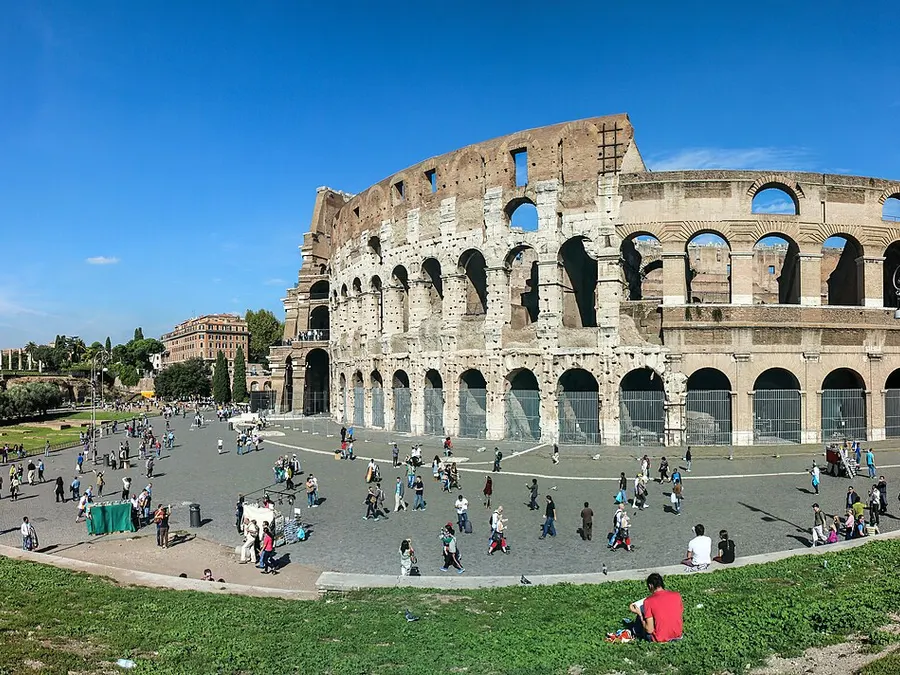 🏛️
🏛️ Passes available in Rome
What each one costs, covers, and who it’s actually for.
Top attractions & single-ticket prices
The walk-up prices we compare every pass against.
Run the numbers for your Rome trip
Your dates, your travelers, your attractions — one clear verdict.
How the Roma Pass actually works
Unlike London or Paris passes, the Roma Pass isn’t all-you-can-visit. It’s a card: only your first one (48-hour, €36) or first two (72-hour, €58.50) attractions are free. Everything else you visit on the card — the Capitoline Museums, Castel Sant’Angelo, the Baths of Caracalla — costs 30% off the walk-up price, not zero.
That changes the math. Put the Colosseum, Forum & Palatine (€18) first, and on the 48-hour pass you’ve already covered half its €36 price with one free entry. On the 72-hour version, two free entries plus 30% off everything after usually beats buying tickets one by one once you’re visiting four or more sites.
Both tiers include public transport for their duration, plus skip-the-line access.
What’s never included: the Vatican
The Vatican Museums and Sistine Chapel aren’t part of Rome the city — Vatican City is its own sovereign state, and the Roma Pass never includes them, at any tier. If the Vatican is on your list, the only pass that bundles it is the Omnia Vatican & Rome Card: three days, €149, two free entries (Vatican Museums and the Colosseum are the obvious picks), and 25% off the rest. That’s a real premium over the Roma Pass — roughly €90 more than the 72-hour tier — so it only pays off if Vatican access is worth that gap to you.
One rule applies no matter which pass you hold, or none at all: the Colosseum requires a timed-entry reservation. A pass doesn’t skip this step — it just removes the ticket cost.
How to decide
- Colosseum plus ancient Rome, no Vatican → the 72-hour Roma Pass.
- Vatican Museums are the priority → Omnia Card, and budget for the premium.
- Short trip, two or three stops only → check single tickets against the pass on the calculator — the discount-only model means passes don’t always win in Rome the way they do elsewhere.
Head-to-head
Which should you buy?
Keep reading
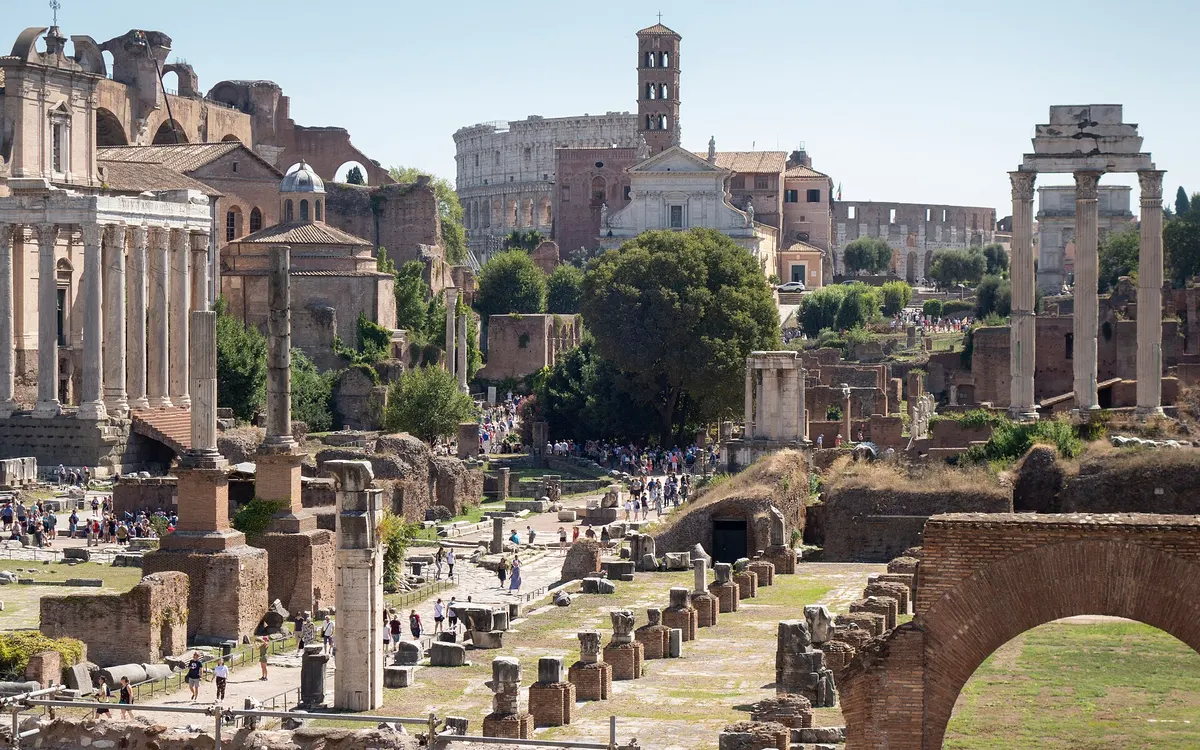
Frequently asked questions about Rome passes
Which Rome pass is the best value?
For most itineraries centered on the Colosseum and ancient Rome, the 72-hour Roma Pass (€58.50). It gives two free entries plus 30% off everything else on the card, and includes public transport. Run your own list through the calculator to see where it breaks even.
Does the Roma Pass include the Vatican Museums?
No — never, at any tier. Vatican City is a separate sovereign state, not part of Rome, so the Roma Pass excludes the Vatican Museums and Sistine Chapel entirely. Only the Omnia Vatican & Rome Card bundles Vatican access, at a real premium over the Roma Pass.
Do I need a reservation for the Colosseum even with a pass?
Yes. The Colosseum, Forum and Palatine require a timed-entry reservation regardless of which pass you hold, or whether you hold one at all. A pass covers the cost, not the booking step.
Is public transport included with a Rome pass?
Yes, for both the Roma Pass and the Omnia Card — unlike London or Paris, Rome's main passes bundle unlimited transport for their full validity window.